- Outdoor kitchen ventilation failures remain one of the most common construction safety issues
- Combustible framing materials continue appearing in outdoor kitchen installations nationwide
- Structural load and appliance clearance mistakes can create fire and collapse risks
- RTA Outdoor Living publishes free outdoor kitchen safety resources for homeowners and contractors
Greenland, NEW HAMPSHIRE, May 19, 2026 (GLOBE NEWSWIRE) -- RTA Outdoor Living has published an expanded outdoor kitchen safety resource center and project safety checklist designed to help homeowners avoid common construction mistakes involving ventilation, combustible materials, appliance installation, and structural support. The educational initiative comes as millions of Americans prepare to use outdoor kitchens during Memorial Day weekend and throughout the summer entertaining season. The company’s safety resources and outdoor kitchen safety checklist are available at RTA Outdoor Living Safety Center.
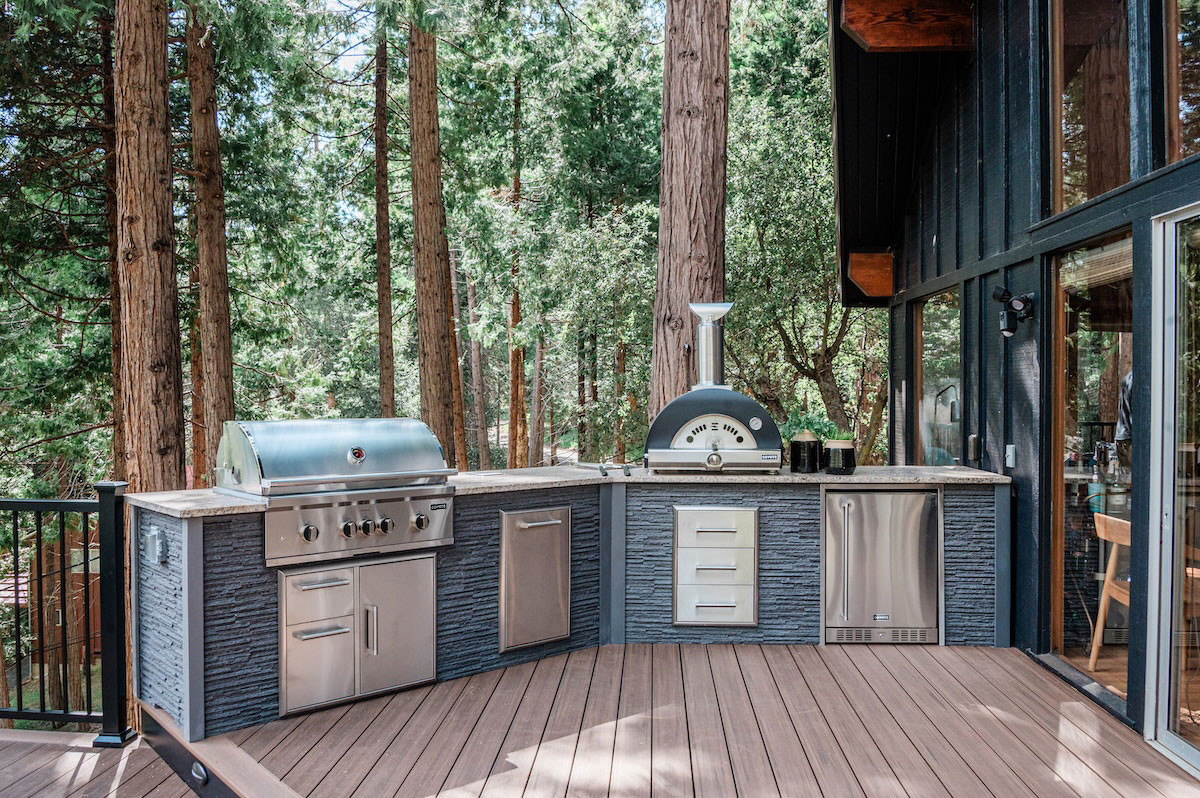 RTA Outdoor Living kitchen
James King, Vice President of Design at RTA Outdoor Living, has spent more than a decade consulting on outdoor kitchen projects across the United States. According to the company, many outdoor kitchen safety risks stem from improper ventilation, combustible framing materials, misunderstood manufacturer clearance requirements, and installations performed without accounting for structural load.
KEY FACTS
- Outdoor kitchen islands built with combustible wood framing can create elevated fire risks when exposed to sustained cooking heat and grease flare-ups.
- Propane gas is denser than air and can collect inside enclosed outdoor kitchen cavities when ventilation is insufficient.
- Many grill manufacturers require at least 20 square inches of ventilation at both the upper and lower portions of outdoor kitchen islands to support cross-ventilation.
- Residential decks are often not engineered to support the weight of permanent outdoor kitchens that include concrete panels, countertops, grills, refrigeration, and masonry materials.
- Built-in grill appliances are engineered differently than freestanding cart-model grills and require distinct airflow and clearance specifications.
- Outdoor kitchen clearance requirements typically apply to all sides of a grill installation, including nearby siding, fencing, overhead structures, and combustible materials.
- The National Fire Protection Association (NFPA) and International Building Code classify wood framing materials as combustible construction materials in high-heat applications.
Outdoor Kitchen Ventilation Mistakes Continue to Create Safety Risks
According to RTA Outdoor Living, improper ventilation remains one of the most overlooked safety concerns in outdoor kitchen construction. Gas grills installed inside enclosed islands require engineered airflow pathways to prevent propane or natural gas accumulation within the cabinet cavity.
Propane gas sinks because it is heavier than air, while natural gas rises. In poorly ventilated outdoor kitchen islands, either gas type can accumulate when fittings loosen, shutoff valves leak, or appliances are improperly installed. If ignition occurs, trapped gas may create explosion or flash-fire conditions.
“Most of the problems we encounter aren’t intentional,” said James King, Vice President of Design at RTA Outdoor Living. “Homeowners and even experienced contractors simply don’t know what they don’t know. The outdoor kitchen industry expanded quickly, but reliable safety education didn’t expand at the same pace.”
The company’s safety resource center includes educational guidance covering:
- grill island ventilation placement
- propane and natural gas airflow behavior
- appliance setback requirements
- structural load considerations
- safe framing materials
- contractor vetting checklists
Combustible Framing Materials and Clearance Errors Remain Common
RTA Outdoor Living states that combustible wood framing continues to appear in outdoor kitchen projects despite fire safety concerns associated with sustained cooking heat exposure. Outdoor kitchen islands built with combustible materials may experience heat degradation over time, especially near grills, side burners, pizza ovens, or power burners.
The company recommends non-combustible framing alternatives such as:
- engineered concrete composite panels
- steel framing systems
- CMU block construction
The release also highlights widespread misunderstanding surrounding grill setback requirements. Manufacturer specifications often require clearance distances ranging from 12 to 24 inches from nearby combustible materials including fencing, siding, pergolas, cabinetry, and structural walls.
According to RTA Outdoor Living, these requirements frequently apply to all sides of the appliance rather than only the rear clearance zone.
Structural Load and Appliance Installation Problems Can Develop Over Time
Permanent outdoor kitchens commonly include:
- concrete composite structures
- stone countertops
- built-in grills
- refrigeration systems
- storage cabinetry
- masonry finishes
Combined together, these components can weigh several thousand pounds. RTA Outdoor Living warns that elevated decks and improperly prepared patios may not be engineered to support those loads long term.
Structural problems often emerge gradually after installation through:
- settling
- deck deflection
- cracking
- shifting
- uneven load distribution
The company recommends a structural assessment before installing outdoor kitchens on elevated decks or paver systems.
They also warns against converting freestanding cart-model grills into built-in outdoor kitchen appliances. Built-in grills are specifically engineered for enclosed island environments and airflow conditions, while cart-model grills are designed for open-air operation.
“You cannot compensate for built-in ventilation requirements with a workaround,” King said. “The appliance environment changes completely once you place a grill inside an enclosed island cavity.”
Outdoor Kitchen Safety Education Expands as DIY Installations Increase
Outdoor living construction activity has increased substantially over the past decade, driven by demand for backyard entertaining spaces, outdoor cooking, and home improvement projects. At the same time, DIY outdoor kitchen construction content has expanded rapidly across social media and video platforms.
RTA Outdoor Living says one of the goals of publishing free safety education resources is to help homeowners ask more informed questions before beginning a project.
“We publish these resources for any homeowner, regardless of whether they work with us,” King said. “The goal is to raise the baseline. Right now, there is very little freely available information helping homeowners understand ventilation requirements, structural load, and appliance safety before construction begins.”
The company’s outdoor kitchen safety resource center includes downloadable checklists, ventilation guidance, framing recommendations, contractor vetting information, and appliance installation education intended for both homeowners and contractors.
Frequently Asked Questions
Is it safe to build an outdoor kitchen with wood framing?
Wood framing is classified as a combustible material under major building and fire code standards. Outdoor kitchen islands exposed to sustained cooking heat may face increased risks of fire and structural degradation over time when combustible framing materials are used.
Why do outdoor kitchens need ventilation?
Gas grills installed inside enclosed outdoor kitchen islands require ventilation to prevent propane or natural gas buildup. Without proper airflow, trapped gas can ignite when exposed to a spark or grill ignition source.
How much ventilation does an outdoor kitchen need?
Many grill manufacturers specify a minimum of 20 square inches of ventilation at both the upper and lower portions of the island enclosure, along with cross-ventilation openings on multiple sides. Requirements vary by appliance manufacturer and fuel type.
Can you install a regular grill inside an outdoor kitchen island?
Freestanding cart-model grills are generally designed for open-air use and are not engineered for enclosed island cavities. Built-in grill appliances use distinct airflow and heat-management systems designed for outdoor kitchen installations.
Can an outdoor kitchen damage or collapse a deck?
Permanent outdoor kitchens can weigh several thousand pounds depending on the materials and appliances installed. Elevated decks that were not engineered for that weight may develop structural problems over time.
What causes outdoor kitchen fires?
Common contributing factors include combustible framing materials, grease flare-ups, improper grill clearance, inadequate ventilation, gas leaks, and appliances installed outside manufacturer specifications.
Where can homeowners find outdoor kitchen safety guidelines?
RTA Outdoor Living has published a free outdoor kitchen safety checklist and educational resource center covering ventilation, framing, appliance installation, structural load, and contractor evaluation. Outdoor Kitchen Safety Checklist and Resources
Published Research & Resources
- RTA Outdoor Living Safety Resource Center
- RTA Outdoor Living Official Website
- National Fire Protection Association (NFPA)
- International Code Council (ICC) Building Codes
- Grill manufacturer installation and ventilation specifications
- Outdoor kitchen structural load and footing guidance resources
About RTA Outdoor Living
RTA Outdoor Living is a leading provider of custom prefab outdoor kitchen solutions, designed to make high-quality outdoor living accessible and easy to implement. With a focus on streamlined design, durable materials, and a digital-first, virtual approach, RTA helps homeowners create outdoor spaces that are both functional and built for everyday use. For more information, visit rtaoutdoorliving.com.
Press Inquiries
James King
hello@getinkdiy.com
920-395-8998
https://rtaoutdoorliving.com/
1 Bayside Rd suite 106, Greenland, NH 03840, United States

